Gorillabelt Screen Changer

Continuous Belt Filtration for High-Contamination Recycling

Gorillabelt is built for the toughest recycling environments — delivering continuous melt filtration for post-consumer and post-industrial plastics with contamination up to 10% by weight. No cleaning cycle. No saturation limit. No production stops.

Calculate Your Annual Output Recovery Contact Us

The Challenge in High-Contamination Recycling Filtration

Post-consumer and post-industrial plastics carry contamination levels — metal fragments, aluminium foil, paper fibres, glass, cross-linked polymer — that saturate conventional screen changers in under two hours. According to AMI Consulting, contamination in post-consumer LDPE film streams typically runs at 3–8% by weight. At those levels, manual and hydraulic screen changers require 6–12 changes per shift — making continuous production operationally impossible.

3–8%
contamination by weight in post-consumer LDPE film streams (AMI Consulting)
2 h
typical screen life at 150-mesh with 5% contamination at 300 kg/h
6–12×
screen changes per shift required on recycling lines at those contamination levels
10%
maximum contamination by weight handled by Gorillabelt — continuously, without stops
Start Production Simulation

Continuous Filtration Without Compromise

Gorillabelt is built for post-consumer and post-industrial recycling lines where conventional screen changers reach their operational limits

1 — Contaminated Materials
Up to 10% contamination by weight

Gorillabelt handles post-consumer and post-industrial plastics with hard particle contamination — metal fragments, aluminium foil, paper fibres, glass, and cross-linked polymer — that would clog or damage a self-cleaning system within hours. Belt advances continuously through the melt zone; as one section reaches capacity, fresh belt feeds automatically from the supply roll.

2 — Continuous
No cleaning cycle — no saturation limit

Unlike self-cleaning systems that have a cleaning rate limit, Gorillabelt has no cycle to overwhelm. There is no filter cake building up — contaminated belt exits the melt zone and fresh belt takes its place continuously. The line runs 24/7 regardless of contamination load, with an accumulator system that maintains melt pressure during belt indexing.

3 — Minimal Polymer Loss
Discard impurities, not polymer

The belt advancement mechanism is designed to carry contaminants out of the melt zone with minimal entrained polymer. Only the impurity-loaded belt section exits — not the melt. This minimises material waste and disposal costs compared to conventional screen changes where the polymer adhering to the screen pack is lost with every change.

Built for Recycling Lines

Gorillabelt is optimized for post-consumer and post-industrial recycling streams where contamination levels exceed the operational range of self-cleaning screen changers.

Post-Consumer Film Agricultural Film Construction Waste Post-Industrial Scrap Mixed Plastics LDPE Recycling PP Recycling PE Flakes Rigid PCR Industrial Waste Streams

For application-specific recycling filtration guides: PET Recycling Filtration  ·  Blown Film Filtration  ·  Polymer Melt Filtration Guide

Key Process Benefits

Operating data from Gorillabelt installations across European and North American post-consumer recycling operations.

10%
Max contamination handled
By weight — metal, glass, foil, paper, cross-linked polymer — without stops or pressure disturbance
24/7
Continuous operation
No production stops for belt maintenance — belt changes planned offline, not forced by contamination
Up to 90%
Downtime reduction
Vs manual screen changers on recycling lines running >3 changes per shift
0
Cleaning cycle limit
Belt advance replaces filter area without a cleaning cycle — no accumulation rate limit at any contamination level

Technical Data

ParameterSpecificationNotes
Filtration typeContinuous, automatic belt advancementFresh filtration area advances automatically — no production interruption
Belt systemContinuous loop filtration beltBelt indexes forward continuously, replacing contaminated sections without stopping the line
Filtration finenessBelt mesh counts available to specificationBelt media selected based on contamination type — coarse primary or fine secondary stage configurations available
Belt indexing triggerΔP or continuous timed advanceAutomated — belt indexes when ΔP threshold is reached or on continuous timed advance
Material compatibilityUp to 10% contamination by weightPost-consumer and post-industrial — metal, foil, paper, glass, cross-linked polymer
Max operating temperatureUp to 350°CHigh-temperature polymer processing
Max operating pressureUp to 210 barSuitable for recycling extrusion applications
Throughput range5–2,000 kg/hWide operating range depending on configuration and material
Filtration areaMultiple belt mesh counts availableBelt media selected based on contamination type and required filtration fineness
Screen changeWithout production interruptionBelt advancement fully automatic — no operator intervention required

Gorillabelt or AP Series? How to Choose

Both are continuous screen changers — neither stops the line for screen maintenance. The choice depends on the contamination level of your incoming polymer. Here is the decision framework.

Gorillabelt
Choose Gorillabelt when:
  • Contamination exceeds 3–4% by weight
  • Processing post-consumer recyclate above ~30% content
  • Hard particles present — metal, glass, ceramic, aluminium foil
  • Cleaning cycle capacity would be overwhelmed
  • Need a primary gross-contamination stage ahead of fine filtration
  • Line processes 100% post-consumer recyclate
Contamination handled: up to 10% by weight
AP Series
Consider AP Series when:
  • Contamination below ~3–4% by weight
  • Processing virgin, regrind, or low-PCR-content polymer
  • Application requires fine filtration down to 3 μm
  • Melt pressure stability is critical — blown film, optical sheet, fiber spinning
  • Need compact installation with no hydraulic control unit
  • Line processes food-contact or high-quality applications
Contamination handled: up to ~3–4% by weight
See AP Series specifications →

Still unsure? See the full continuous vs discontinuous screen changer guide →

Resources

Download GorillaBelt screen changer brochure

Download

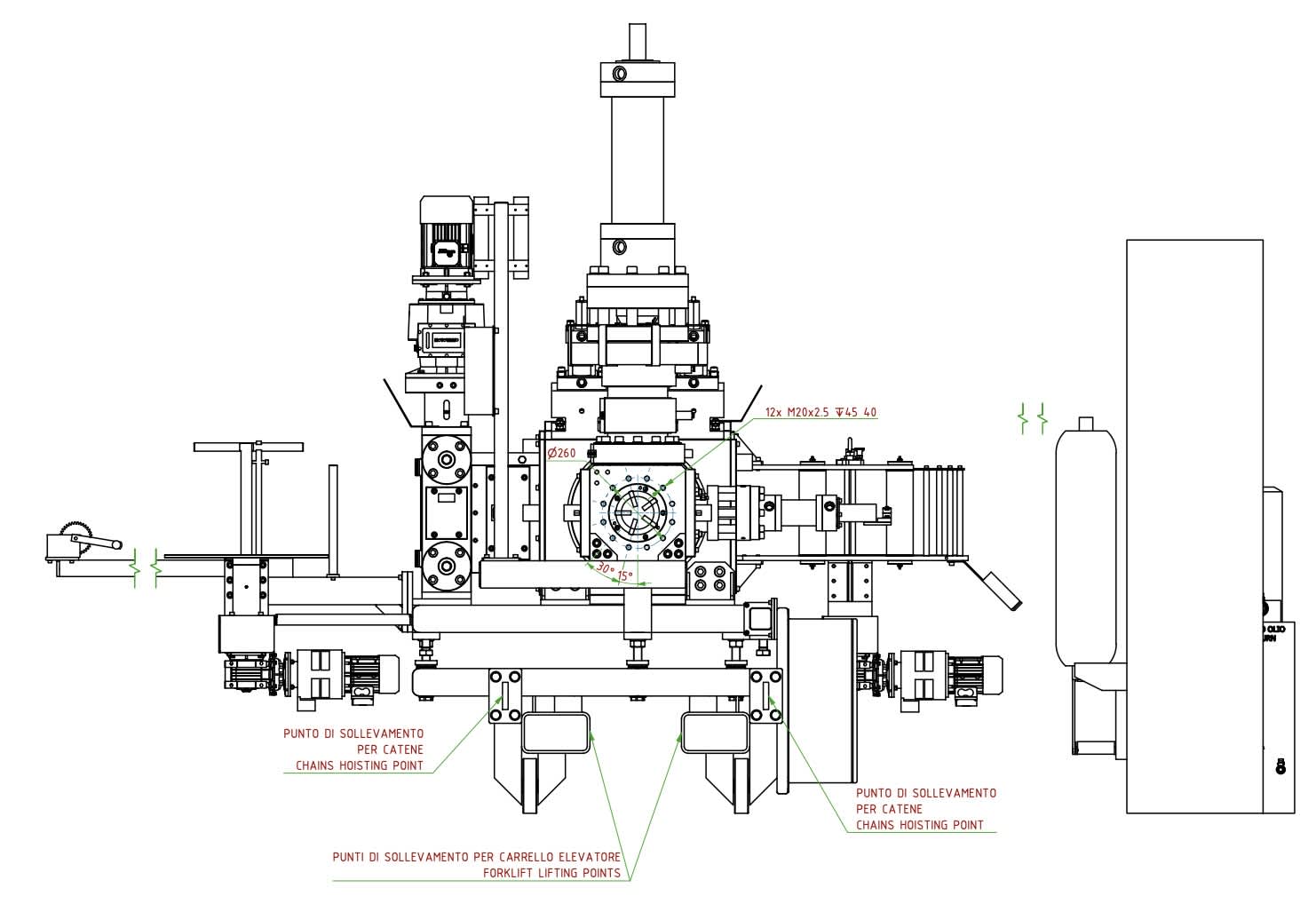
Download GorillaBelt screen changer layout drawings

Download

Videos

3D Animation

Watch a 3D animation with detailed explanations of GorillaBelt internal operation

Double GorillaBelt on Duty

Watch a double GorillaBelt installation running PE flakes

Frequently Asked Questions

The Gorillabelt advances a continuous stainless steel mesh belt through the melt zone of the screen changer housing. Polymer melt is forced through the belt mesh, which captures solid particles above the belt’s aperture size. As the belt section in the melt zone becomes loaded with contaminants, the belt indexes forward — automatically advancing fresh, clean belt from the supply roll into the melt zone while the contaminated section exits on the other side. The advancement is triggered automatically by differential pressure (ΔP) reaching a set threshold, or on a continuous timed advance. There is no cleaning cycle, no filter cake removal, and no saturation limit — contaminated belt exits the system rather than being cleaned in place.

Gorillabelt handles contamination levels up to 10% by weight of the total melt stream — including hard particles such as metal fragments, aluminium foil, glass, ceramic particles, paper fibres, and cross-linked polymer. This is significantly above the operational range of self-cleaning screen changers, which reach their cleaning cycle capacity limit at approximately 3–4% contamination by weight. For post-consumer LDPE film streams — where AMI Consulting documents contamination at 3–8% by weight — Gorillabelt operates continuously without pressure disturbance or unplanned stops, regardless of contamination load.

No. Belt advancement during normal operation is fully automatic and does not interrupt melt flow or stop the extrusion line. The belt supply roll contains sufficient belt length for extended production runs; when the supply roll approaches the end, it can be replaced in a planned maintenance window — not an emergency stop forced by contamination. The line continues running throughout this process via the accumulator system that maintains melt pressure during belt indexing. This is fundamentally different from a manual or hydraulic screen changer, where every screen change is an unplanned event driven by filter saturation.

Both Gorillabelt and self-cleaning screen changers (such as the AP Series) are continuous — neither stops the extrusion line for screen maintenance. The difference is the filtration mechanism and the contamination level each handles. A self-cleaning system (AP Series) cleans the filter element in place using a mechanical cycle — effective at contamination below ~3–4% by weight, with filtration fineness down to 3 μm. Gorillabelt advances a new belt section rather than cleaning an existing one — there is no cleaning rate limit and no accumulation ceiling, making it the correct choice above 3–4% contamination. For detailed comparison, see the continuous vs discontinuous screen changer guide.

Yes — two-stage filtration with Gorillabelt as the primary gross-contamination stage ahead of an AP Series fine filtration secondary stage is an established configuration for high-PCR-content extrusion lines. The Gorillabelt handles the hard, abrasive particles — metal, glass, aluminium foil — that would damage fine filtration elements, reducing the contamination load entering the secondary AP stage. The AP Series then handles fine filtration down to 3 μm in a much cleaner melt stream, extending element life and maintaining the pressure stability required for quality-critical applications such as food-contact rPET thermoforming sheet. This architecture is specifically suited to lines targeting 40–65% PCR content under EU PPWR recycled content mandates.

Find Out What Your Recycling Line Screen Changes Are Costing You

Enter your throughput, screen change frequency, and shift schedule. The Cofit Productivity Savings Calculator shows your monthly output loss and the annual revenue you are leaving on the table — in under two minutes.

Calculate your annual output recovery →
Request technical alignment with a Cofit engineer