ScrapeAway laser melt filter

Automatic, Continuous and Self-cleaning Laser Melt Filter for Contaminated Melts

Two laser-drilled filter discs, fixed scrapers and an automatic discharge system remove contaminants from the melt continuously. No screen-change stops, melt loss below 1%, and filter discs that run for weeks or months before replacement.
Request Technical Alignment How Much Output Are You Losing?
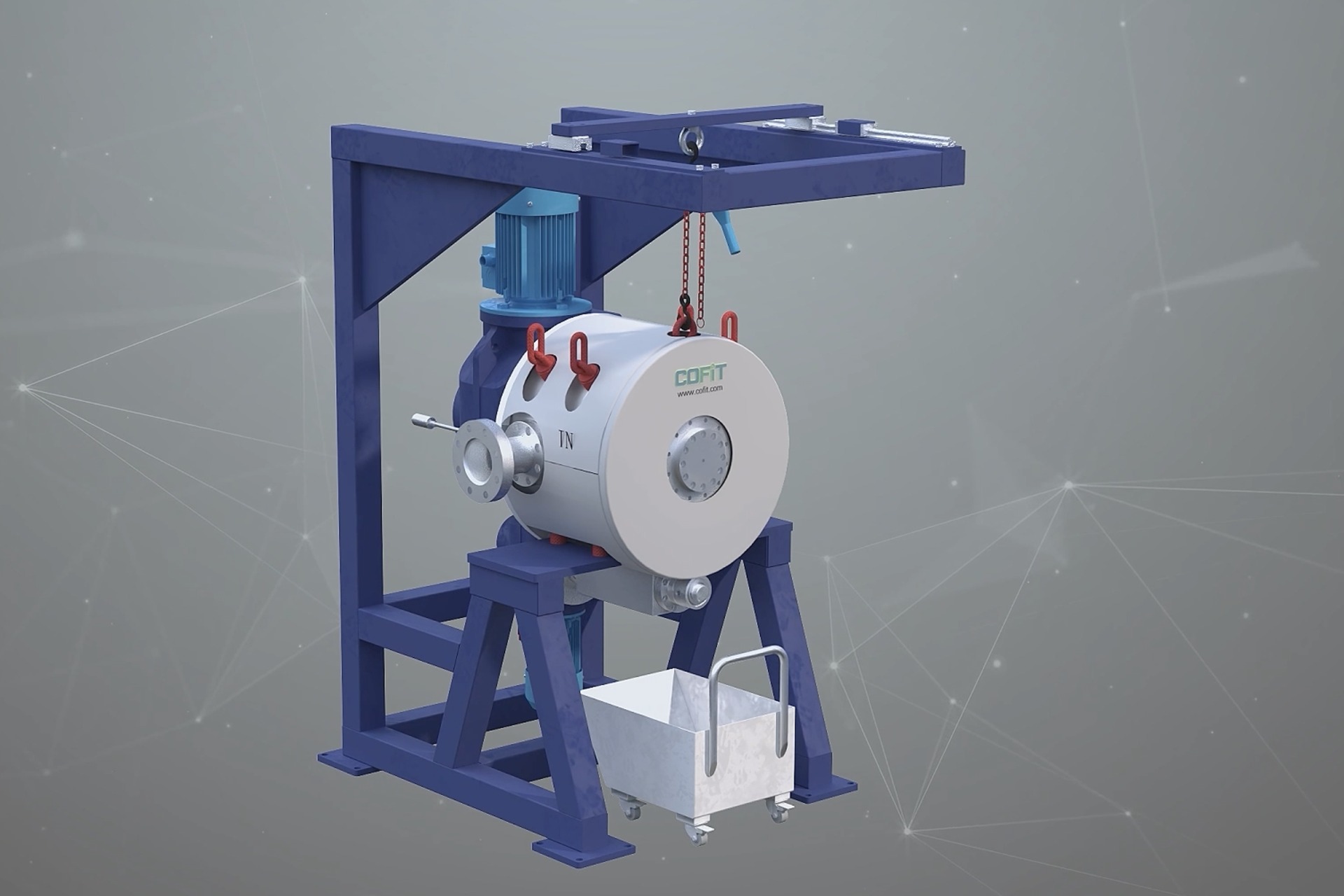
Cofit ScrapeAway automatic, continuous and self-cleaning laser melt filter, inlet side

When Contamination Is High, the Screen Becomes the Bottleneck

In recycling, regranulation and direct extrusion of recycled material, the melt carries a heavy load of solid contaminants: aluminium from multilayer packaging, elastomers, unmelted particles and other foreign matter. A conventional screen pack retains them, its open area shrinks and pressure climbs until the screen has to be changed — many times per shift. Every change means lost production, pressure peaks at restart, melt discarded with the screen pack and operator time.

6 / day
screen changes on a heavily contaminated line
15 min
lost production per change, stop and restart included
1,500 kg
production lost every day
≈ 495 t
production lost per year (330 days)

Illustrative example: regranulation line running at 1,000 kg/h.

Calculate the Losses on Your Line

How ScrapeAway works

The Filter Surface Is Cleaned While It Filters

ScrapeAway does not replace a dirty screen with a clean one. It keeps the same filtering surface clean, continuously. The extruder never stops, and the filter discs stay in service for weeks or months.

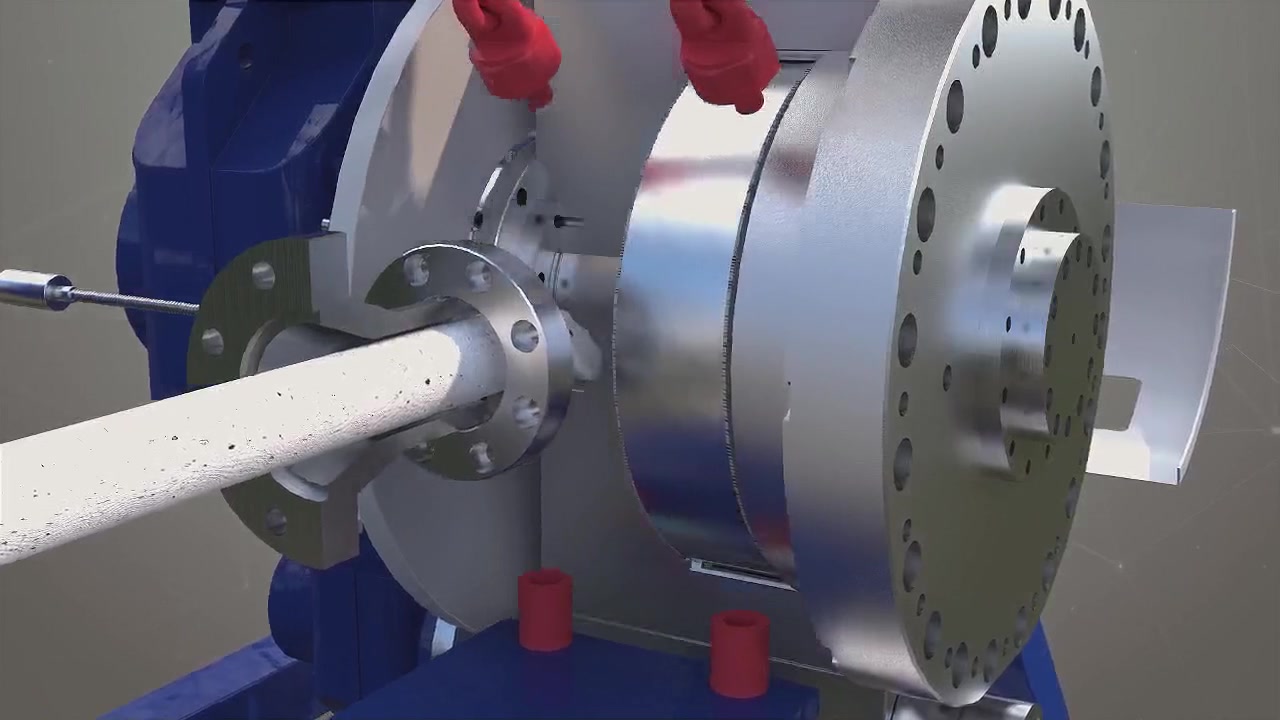
Contaminated melt entering the ScrapeAway housing
1 — Filtration
Through laser-drilled discs

The contaminated melt flows through the two laser-drilled filter discs, from the outside to the inside. Every particle larger than the hole size is retained on the disc surface.

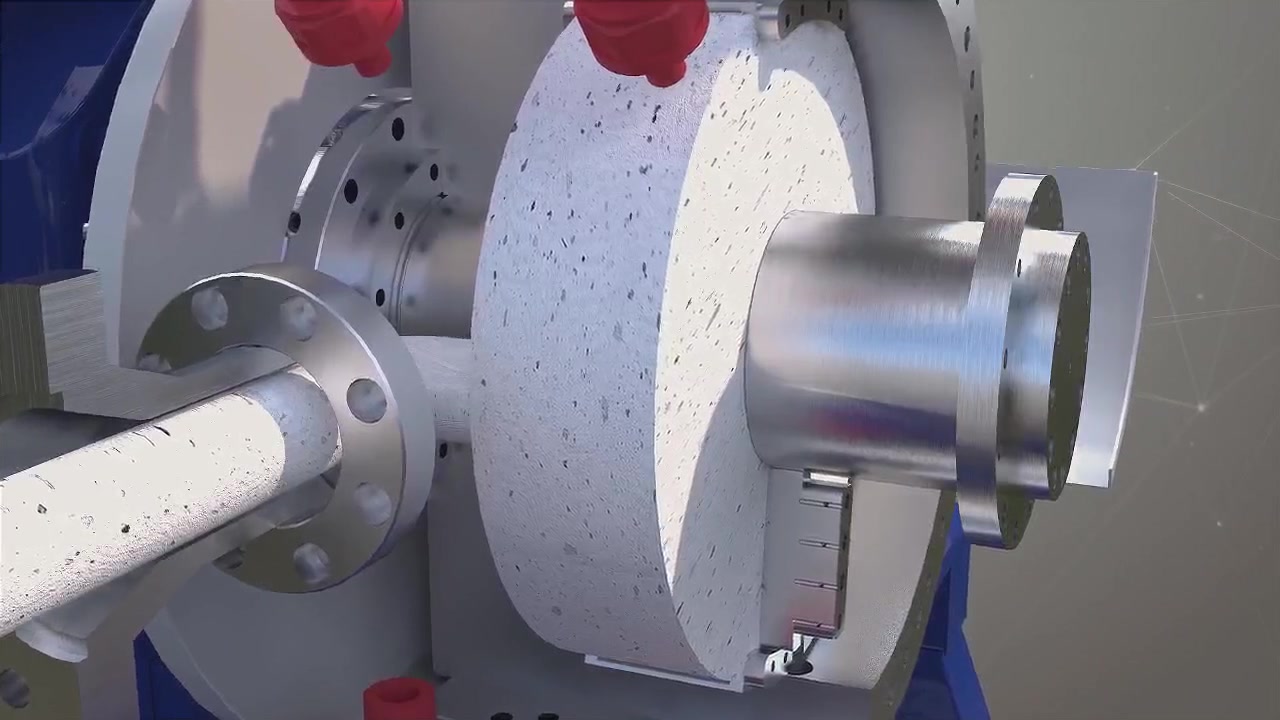
Fixed scraper cleaning the laser-drilled filter disc
2 — Scraping
Continuous cleaning

The filter disc rotates while fixed scrapers press against its surface with constant pressure, removing contaminants before they can clog the holes.

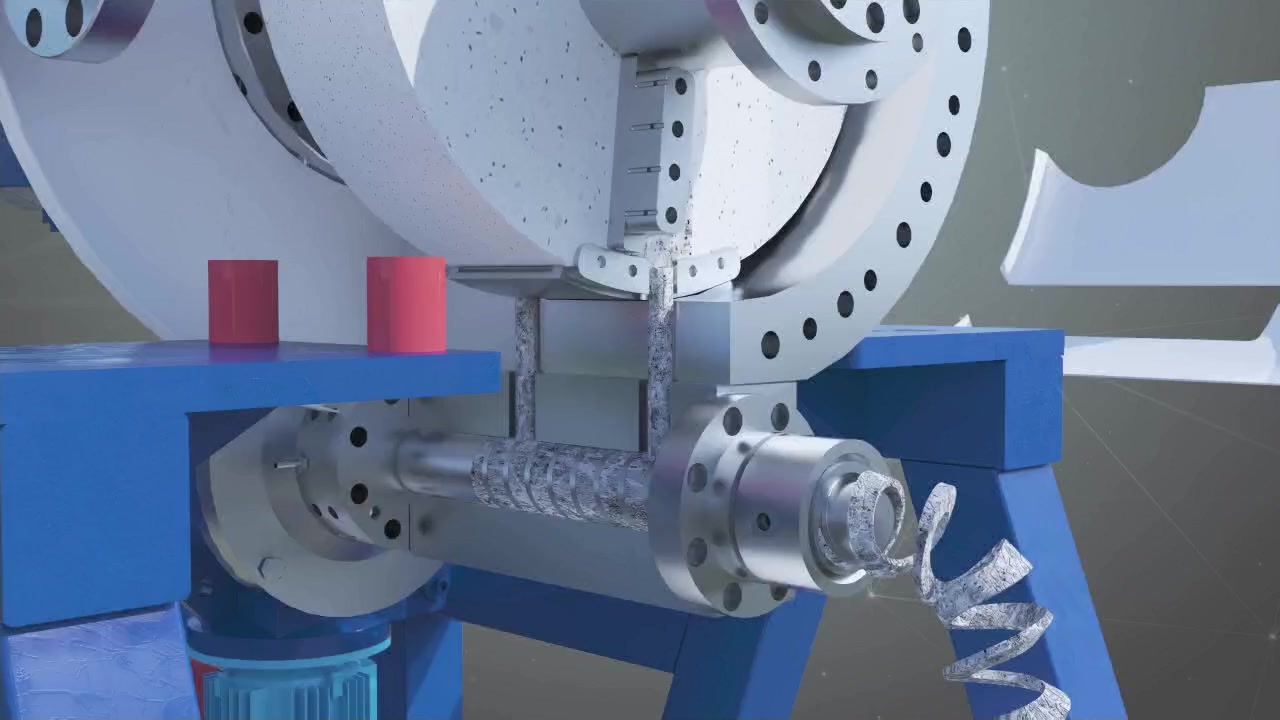
Discharge system removing contaminants from the melt filter
3 — Discharge
Automatic and closed

The scraped contaminants are concentrated and conveyed out of the housing into the collection bin. The melt never comes into contact with outside air.

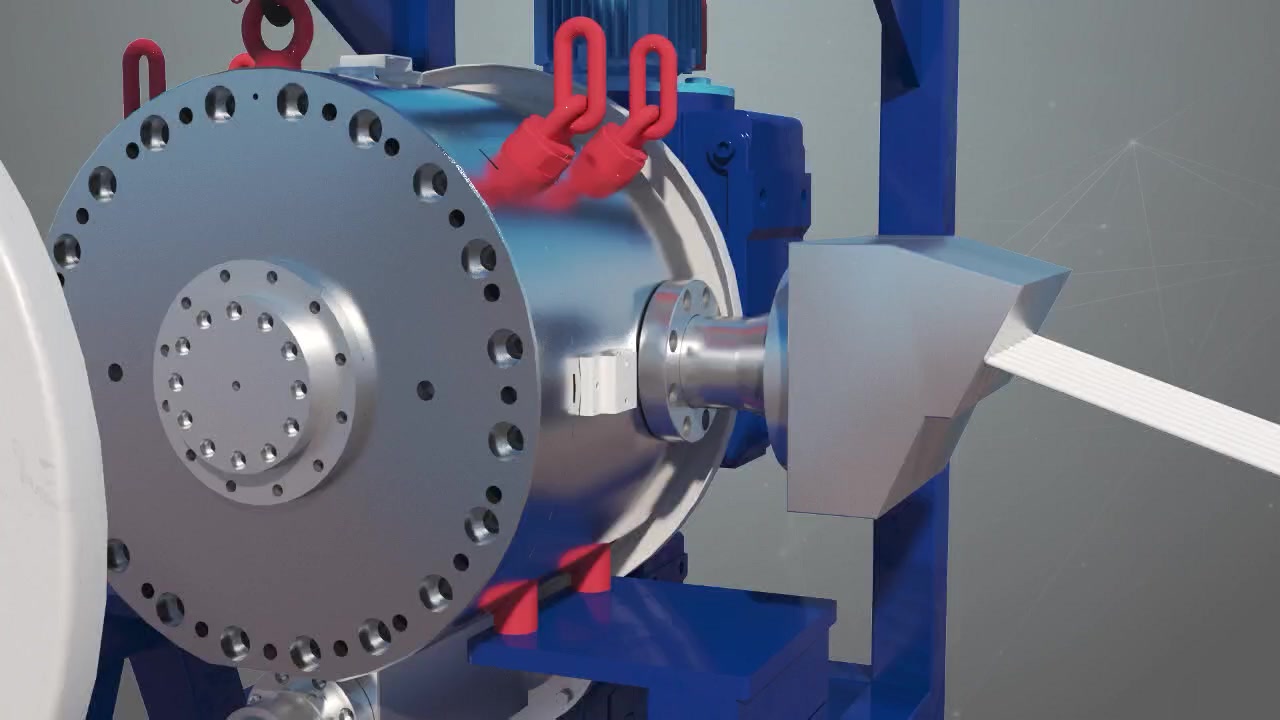
Filtered melt leaving the ScrapeAway outlet
4 — Clean melt
No interruption

The filtered melt leaves the outlet towards the die, the pelletizer or the next unit of the line. Production continues without screen-change stops.

Request Technical Alignment
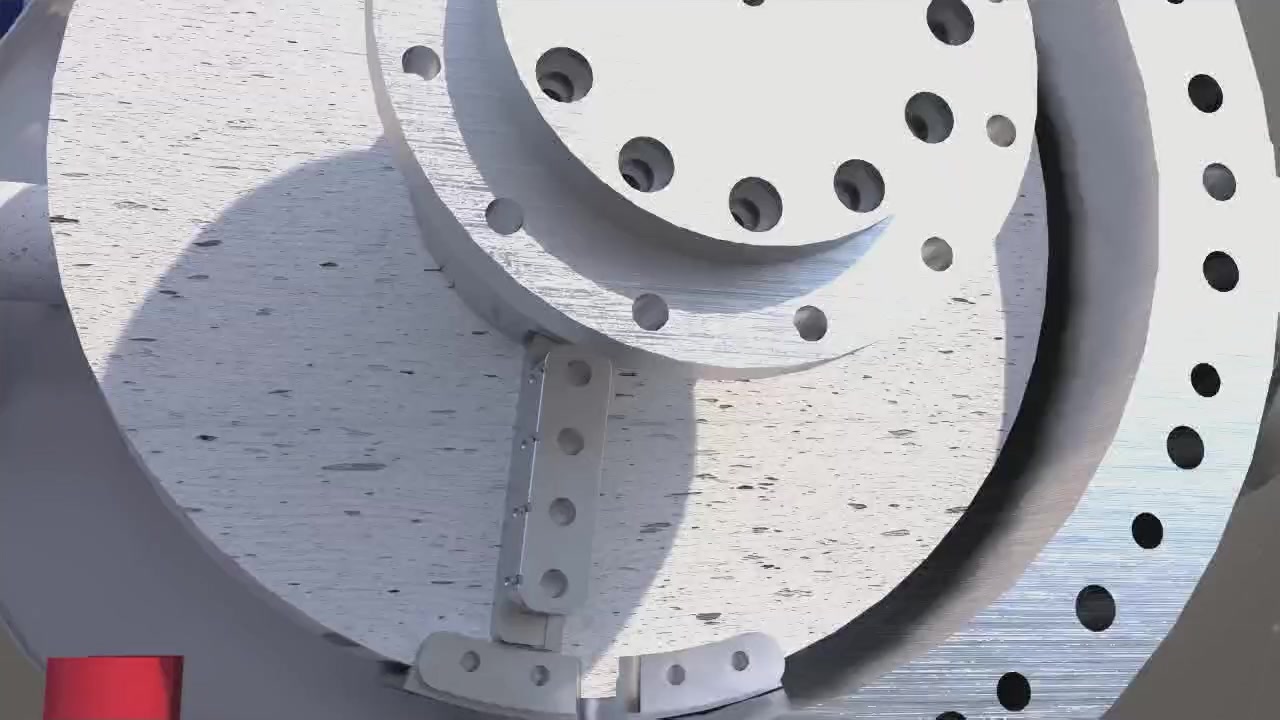
Laser-drilled filter disc retaining contaminants

Laser-drilled Filter Discs: a Filtering Surface Built to Be Scraped

A woven wire screen cannot be scraped: the scraper would deform and tear the mesh. ScrapeAway uses solid steel filter discs in which the holes are made by laser drilling. The result is a hard, flat filtering surface that withstands continuous contact with the scrapers, and a defined, uniform hole size across the whole disc.

  • Filtration range from 100 to 1,000 µm, chosen according to the material and the target quality.
  • Repeatable filtration: hole size does not change with mesh wear, because there is no mesh.
  • Long service life: discs run for weeks or months before replacement, depending on contamination.

Materials with low flowability may require discs with larger holes. Cofit engineers define the filtration level together with you, on the basis of your actual material.

What ScrapeAway Changes on Your Line

Continuous, fully automatic

No screen-change stops. Scraping and discharge run automatically while the line produces.

Weeks or months between disc changes

The filtering surface is cleaned, not replaced: disc replacement becomes a planned maintenance task, not a daily routine.

Melt loss below 1%

Closed system, no contact with outside air. Contaminants are concentrated before discharge, so less than 1% of the melt leaves the filter with the waste.

Short residence time

An optimised internal flow path and efficient discharge reduce the time the melt spends in the filter, limiting thermal stress.

Difficult contaminants

Effective on aluminium and elastomers as well as on conventional solid contaminants.

High pressure, high capacity

Up to 250 bar and 300 °C. Four sizes up to 5,000 kg/h per unit, and modular configurations for higher outputs or finer filtration.

Key Process Data

Valid for all four ScrapeAway sizes.

100–1,000 µm
Filtration range
Laser-drilled discs, depending on material flowability
5,000 kg/h
Maximum throughput per unit
Depending on material, filtration level and contamination
250 bar
Max. operating pressure
Max. operating temperature 300 °C
< 1%
Melt loss
Closed system, contaminants concentrated before discharge

Built for Contaminated Recycled Melts

For PP, PE, PET, PS, ABS and other thermoplastics, wherever solid contaminants would otherwise force frequent screen changes.

Recycling and Regranulation
Post-consumer and post-industrial thermoplastics

Direct Pipe Extrusion
Pipe from recycled material, without a separate pelletizing step

PP / PET Strapping
Strapping lines running on recycled or contaminated feedstock

Technical Data

All models: max. operating pressure 250 bar, max. operating temperature 300 °C, melt loss below 1%.

ModelFilter Ø
(mm)
Filter discsHeating
(kW)
Main drive
(kW)
Discharge drive
(kW)
Throughput low
(kg/h)
Throughput high
(kg/h)
Weight
(t)
ScrapeAway 260260215.03.01.1≤ 300≤ 6000.7
ScrapeAway 360360226.05.01.1≤ 500≤ 1,0001.5
ScrapeAway 500500240.05.01.1≤ 1,200≤ 2,6001.8
ScrapeAway 700700252.07.51.1≤ 2,400≤ 5,0002.6

Filtration range: 100–1,000 µm, depending on melt flowability. Materials with low flowability may only be suitable for discs with larger holes.

Throughput values are indicative, referred to a melt viscosity of 1,000 Pa·s and a specific flow rate of 5.5 kg/h·cm². Actual throughput depends on filtration level, material flowability, melt inlet pressure and contamination content. The lower value applies to fine filtration or difficult materials, the higher value to coarse filtration and good flowability.

Modular configurations: for higher outputs or finer filtration, 2, 4, 6 or 8 ScrapeAway 500 units can be combined in parallel or in series.

Not sure which system fits your process?

Tell us your material, throughput and contaminants: our engineers will recommend the right Cofit filtration technology for your line.

Request a Technical Alignment

Frequently Asked Questions

A screen changer replaces a clogged screen with a clean one, either manually or automatically. A scraping melt filter like ScrapeAway keeps the same filtering surface clean while it works: scrapers remove the contaminants from the laser-drilled discs continuously, and the contaminants are discharged automatically.

ScrapeAway works with laser-drilled filter discs from 100 to 1,000 µm. The achievable level depends on the flowability of the material: low-flow materials may require larger holes.

Because the discs are cleaned continuously, ScrapeAway can run for weeks or months without replacing them. The actual interval depends on the type and amount of contamination.

ScrapeAway is designed for heavily contaminated melts, including aluminium and elastomers, in recycling, regranulation and direct extrusion of recycled material.

Single units cover from a few hundred kg/h up to 5,000 kg/h. Real throughput depends on filtration level, material flowability, inlet pressure and contamination. Higher outputs are possible with multiple units in parallel.

Less than 1%. ScrapeAway is a closed system: the contaminants are concentrated before being discharged, so very little good polymer leaves the filter with them.

All ScrapeAway models operate up to 250 bar and 300 °C.

Tell us your material, throughput, contamination type and target filtration level. Cofit engineers will size ScrapeAway, or a multi-unit configuration, on your real process conditions.

Tell Us About Your Most Contaminated Melt

Tell us what you process, at what throughput and with which contaminants. Our engineers will size ScrapeAway on your real process conditions.